Two-Story House with Solar Panels and Ga
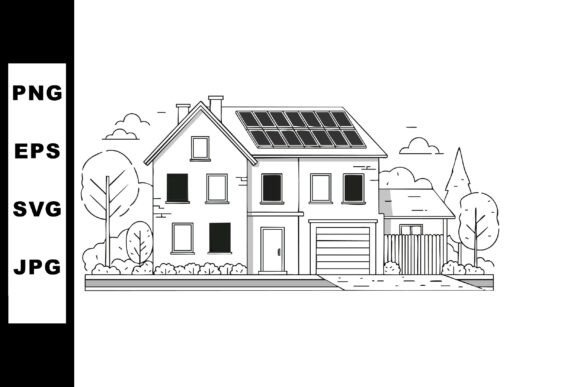
Visual assets play a crucial role in conveying ideas clearly, especially when communicating concepts related to sustainability, architecture, or home design. The Two-Story House with Solar Panels and Ga illustration offers a clean, scalable representation of a modern, energy-efficient home nestled in a natural setting. Whether you're a designer, educator, marketer, or content creator, this visual resource can support your work by providing a realistic, relatable image of sustainable living.
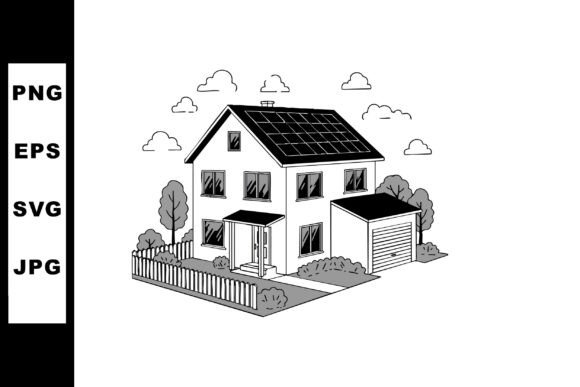
The illustration depicts a two-story house with solar panels installed on the roof, surrounded by trees, bushes, and a fence. The overall composition creates a sense of tranquility and environmental harmony, making it ideal for use in educational materials, architectural proposals, blog posts, or marketing campaigns focused on green living and renewable energy.
Why This Illustration Matters
For professionals and creators who need to visually communicate ideas around energy efficiency and sustainable housing, the Two-Story House with Solar Panels and Ga image provides a ready-to-use visual that is both detailed and versatile. It eliminates the need to create custom illustrations from scratch, saving time while ensuring visual clarity and consistency.
One of the key advantages of this downloadable asset is its multi-format availability. The ZIP file includes SVG, EPS, JPG, and PNG files, allowing for flexibility in how and where the image is used. Vector formats like SVG and EPS maintain quality at any scale, making them suitable for both print and digital media, while JPG and PNG files are ideal for websites, presentations, and social media content.
Practical Benefits for Different Audiences
Architects and Homebuilders can use this illustration to visually represent eco-friendly home designs in client proposals, brochures, or project renderings. The presence of solar panels, trees, and landscaping elements helps communicate a vision of modern, sustainable living without requiring complex design work.
Educators and Presenters may find this image useful when teaching about renewable energy, environmental science, or urban planning. It provides a visual anchor that helps learners connect abstract concepts like energy efficiency and carbon footprint reduction with real-world applications.
Bloggers and Content Creators focused on green living, personal finance, or home improvement can integrate this image into articles, infographics, or social media posts. Its clean, professional appearance enhances visual storytelling while supporting SEO-friendly content strategies.
Marketers and Brand Strategists can incorporate the illustration into campaigns promoting solar energy products, eco-friendly building materials, or sustainability initiatives. The image supports brand messaging around environmental responsibility and innovation.
How It Can Improve Your Workflow
Using the Two-Story House with Solar Panels and Ga illustration can streamline your design and content creation process. Instead of sourcing or creating a custom image from scratch, you can immediately integrate this ready-made visual into your project. This saves time and ensures consistency, especially when working across multiple platforms or deliverables.
For example, a freelance writer covering renewable energy topics might use the PNG version for a blog post and the SVG version for an accompanying infographic. Similarly, a marketing team launching a solar panel installation service could use the image across landing pages, email newsletters, and print advertisements.
Supporting Clear Communication
Visuals help bridge the gap between technical information and audience understanding. When explaining how solar panels contribute to energy savings or how landscaping can enhance a home's sustainability, a well-designed illustration like the Two-Story House with Solar Panels and Ga makes the message more digestible and engaging.
This is especially valuable in contexts where audiences may not be familiar with technical terminology or architectural drawings. A realistic, approachable image can make complex ideas feel more accessible, encouraging deeper engagement and understanding.
Choosing the Right Format
Understanding which file format to use depends on your intended application. Here’s a quick guide:
- SVG (Scalable Vector Graphics) – Best for web use, especially when you need crisp visuals at any size. Ideal for websites, apps, and responsive design.
- EPS (Encapsulated PostScript) – A vector format suitable for high-quality print materials like brochures, posters, and banners.
- JPG (Joint Photographic Experts Group) – A compressed raster format that works well for websites and digital content where file size matters.
- PNG (Portable Network Graphics) – Offers lossless compression and transparency support, making it ideal for digital illustrations, presentations, and layered graphics.
Selecting the appropriate format ensures your visuals remain professional and functional across different platforms and use cases.
Real-World Use Cases
Consider a small business owner launching a new line of solar-powered home products. They can use the Two-Story House with Solar Panels and Ga image in their product catalog, website landing page, and customer email updates. The same image can be repurposed for print ads and social media posts, maintaining a consistent visual identity across all channels.
Another example is a teacher preparing a lesson on sustainable architecture. They can insert the illustration into a slide presentation or handout to help students visualize how solar panels integrate into residential design. The image supports the lesson without requiring additional explanation, allowing more time for discussion and analysis.
When to Consider Alternatives
While the Two-Story House with Solar Panels and Ga illustration is versatile and well-suited for many applications, it may not be the best fit for every project. If your content requires a more stylized or abstract representation, or if you need a specific architectural style not reflected in the image, you may want to explore alternative visuals or custom illustrations.
Additionally, if your audience is highly technical—such as engineers or solar energy professionals—you may need more detailed diagrams or schematics that show panel orientation, energy flow, or structural integration. In such cases, the illustration can serve as a supplementary visual rather than a primary reference.
Final Thoughts
The Two-Story House with Solar Panels and Ga illustration offers a practical, visually appealing way to communicate ideas around sustainable living and energy-efficient design. Whether you're building a presentation, designing marketing materials, or writing an informative blog post, this resource can enhance your content and streamline your creative process.
By providing multiple file formats and a realistic, approachable design, it supports a wide range of professional and personal projects. As with any visual asset, the key is to use it thoughtfully—ensuring it aligns with your message, audience, and goals.