The Timeless Allure of Vintage Style: A Font That Bridges Eras
In a digital world dominated by sleek minimalism and futuristic aesthetics, a quiet but powerful movement is taking shape—one that embraces the charm of the past while seamlessly integrating into modern design. Enter Vintage Style, a display font that effortlessly marries the warmth of bygone eras with the crisp clarity of contemporary typography. More than just a typeface, Vintage Style represents a broader cultural shift toward authenticity, nostalgia, and the desire for human connection in an increasingly automated landscape.
What Is Vintage Style?
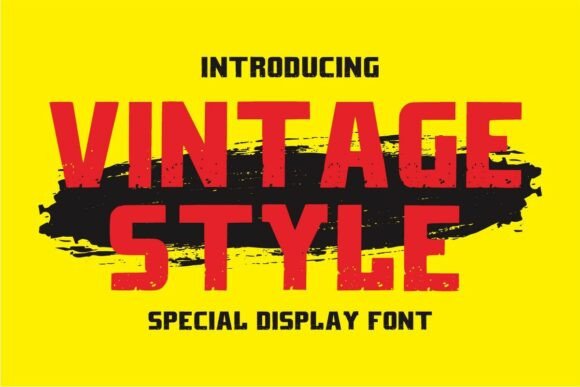
Vintage Style is a classic display font with a modern twist. At first glance, it evokes the hand-lettered signage of early 20th-century storefronts, postcards, and advertisements. Upon closer inspection, however, its modern brushed elements and refined kerning reveal a design crafted for today’s creative professionals. This font is not merely a replica of the past—it’s a thoughtful reinterpretation that retains the soul of vintage aesthetics while meeting the technical demands of current design tools and platforms.
Designed with versatility in mind, Vintage Style works equally well in print and digital formats. Whether used for branding materials, packaging design, social media visuals, or even handwritten-style digital correspondence, it brings a touch of timeless elegance and approachability.
Why Vintage Style Fits Into Modern Design Trends
The resurgence of vintage-inspired design is not a passing fad—it’s a response to the evolving expectations of both creators and consumers. In an age where digital saturation often leads to visual fatigue, audiences are gravitating toward designs that feel more personal, tactile, and emotionally resonant. Vintage Style taps into this desire by offering a visual language that feels familiar yet distinctive.
- Nostalgia as a Design Strategy: Nostalgia is a powerful emotional driver. Brands are increasingly using retro aesthetics to build trust and familiarity with their audiences. The Vintage Style font, with its warm and inviting presence, becomes a storytelling tool that can evoke memories of simpler times.
- Human-Centric Design: As automation and AI-driven content become more prevalent, the demand for humanized, handcrafted elements is growing. Vintage Style fits perfectly into this trend, offering a font that feels like it was drawn by hand, not generated by an algorithm.
- Brand Differentiation: In crowded markets, standing out is essential. Many modern brands are opting for vintage-inspired identities to carve out a unique visual space. The Vintage Style font provides a distinctive edge without alienating contemporary audiences.
Who’s Using Vintage Style—and Why It Matters
Creatives across industries are finding innovative ways to incorporate Vintage Style into their work. From independent entrepreneurs launching artisanal product lines to marketers crafting campaign visuals that stand apart from the noise, the font has become a go-to choice for those who want to convey both authenticity and professionalism.
- Small Business Owners and Entrepreneurs: Boutique shops, coffee roasters, and handmade goods sellers often rely on packaging and branding that tells a story. Vintage Style helps them communicate craftsmanship and heritage—even if their brand is brand new.
- Graphic Designers and Digital Artists: For those working in editorial design, social media assets, or illustration, Vintage Style offers a versatile typographic solution that can anchor a design without overpowering it.
- Content Creators and Influencers: In the creator economy, visual consistency is key. Vintage-inspired fonts like Vintage Style help influencers and YouTubers build a recognizable aesthetic across platforms.
- Writers and Storytellers: Authors of short fiction, memoirs, or niche newsletters are using Vintage Style for headers and promotional materials to evoke a sense of narrative depth and emotional richness.
How Vintage Style Meets Evolving Creative and Business Needs
The rise of remote work, digital content creation, and direct-to-consumer (DTC) commerce has shifted how professionals approach design. Today’s creators need tools that are flexible, accessible, and expressive—without requiring advanced typographic expertise. Vintage Style meets these needs by offering a font that’s easy to use, visually compelling, and adaptable across formats.
Consider the following shifts in creative expectations:
- From Generic to Personal: Generic system fonts no longer cut it. Audiences expect more from visual content, and Vintage Style offers a way to personalize everything from digital presentations to website headers.
- From Mass Production to Craft: Consumers are increasingly valuing craftsmanship and small-batch production. The Vintage Style font supports this shift by lending a handmade feel to digital and print materials alike.
- From Cold to Warm: Modern design trends are leaning into warmth, texture, and personality. Vintage Style brings a human touch to digital design, countering the starkness of minimalist fonts and sterile interfaces.
Practical Applications of Vintage Style
Whether you're a seasoned designer or a weekend hobbyist, Vintage Style offers a wide range of applications that can elevate your creative projects. Here are just a few examples:
- Wedding Invitations: The soft, elegant curves of Vintage Style make it ideal for romantic, nostalgic wedding stationery that feels both timeless and personal.
- Logo Design: Startups and small businesses looking to project a sense of heritage and trust can use Vintage Style as the foundation of a memorable brand identity.
- Poster Art: From movie posters to event flyers, this font adds visual interest and a sense of narrative that draws the viewer in.
- Blog Headers and Social Media Graphics: Content creators can use Vintage Style to add a touch of elegance and personality to their digital presence without sacrificing readability.
- Handmade Packaging: Independent product makers use Vintage Style to create custom labels and packaging that stand out on shelves and online marketplaces.
The Bigger Picture: Design, Culture, and the Human Touch
The popularity of Vintage Style reflects a broader cultural movement toward intentional design and meaningful storytelling. As we move further into a digitally saturated era, there is a growing appreciation for the tactile, the nostalgic, and the emotionally resonant. This is not a rejection of modernity, but rather a refinement of it—bringing warmth, texture, and personality back into the visual language of our time.
In this context, Vintage Style is more than a font. It’s a bridge between eras, a tool for emotional connection, and a testament to the enduring power of good design. It speaks to a generation of creators who value both craftsmanship and convenience, and who understand that the best design doesn’t just look good—it tells a story, evokes a feeling, and invites the viewer to pause and reflect.
Conclusion: Why Vintage Style Will Endure
In a world where trends come and go, Vintage Style stands out as a font with staying power. Its ability to adapt to modern needs while retaining its nostalgic charm makes it a valuable asset for professionals across industries. Whether you're building a brand, designing a website, or simply looking for a font that feels like a warm handshake, Vintage Style offers a perfect blend of past and present.
As creative expectations continue to evolve, one thing remains clear: the demand for design that feels personal, authentic, and emotionally engaging is only going to grow. And in that landscape, Vintage Style isn’t just a choice—it’s a statement.